
Shipping Route — 🇰🇪 Kenya
Shipping Vehicles & Machinery from Germany to Kenya
Complete guide to exporting cars and equipment from Germany to Mombasa — strict 8-year age rule, KRA duty structure, and left-hand drive restrictions.

Route Overview
Germany → Kenya
Direct shipping from Hamburg and Antwerp to Kenya. Below you'll find everything you need to plan your shipment — ports, transit times, costs, and documentation.
Mombasa — Port of Mombasa
Primary national seaport and main gateway for vehicles and machinery. Also serves as transit corridor for Uganda and the wider East African region.
Transit Times
How Long Does Shipping Take?
Container (FCL)
29–36 days from Antwerp, 31–36 days from Hamburg
Services typically route via Mediterranean or Middle East transshipment hubs.
Shipping Methods
How to Ship to Kenya
Container (20'/40' FCL) — standard method for vehicles and machinery to Mombasa
RoRo — available but regulatory focus is on inspection and age/drive-side compliance
Flatrack / Mafi — for heavy machinery and equipment
Common Carriers on This Route
Vehicle Age Restrictions
Age Limits for Kenya
Strict 8-year rule: Kenya Bureau of Standards (KS 1515:2000) requires used motor vehicles to be not more than 8 years old from year of first registration. No exceptions for standard vehicles. Older vehicles cannot be imported.
Import Duties & Taxes
What Does It Cost to Import?
Compound duty structure. Duties are calculated on CIF, with excise and VAT layered on top.
Import duty: 25% of CIF
Excise duty: 20% of (CIF + import duty)
VAT: 16% of (CIF + import duty + excise)
Import Declaration Fee (IDF): 3.5% of CIF (min KES 5,000)
Railway Development Levy (RDL): 2% of CIF
All customs declarations in Kenyan shilling (KES). Rates are indicative — always request a current quote for accurate landed costs.
Required Documentation
Documents You'll Need
Pre-export roadworthiness inspection certificate (KEBS/KS 1515:2000 compliant)
Bill of Lading (original)
Commercial invoice
Vehicle registration / title document
Export certificate from Germany
Valid ID documentation
Key Regulations
What You Should Know
Left-hand drive vehicles are generally prohibited (exceptions for ambulances, construction equipment, etc.)
All used vehicles must pass pre-export inspection for roadworthiness and emissions
KRA and NTSA standards strictly enforced
KEBS public notices emphasize authentication of roadworthiness documentation against fraud
Looking for a vehicle in Germany?
We source, verify, and ship vehicles from Germany to Kenya. From finding the right car to handling export and documentation — we manage the entire process.
Start Your Vehicle Search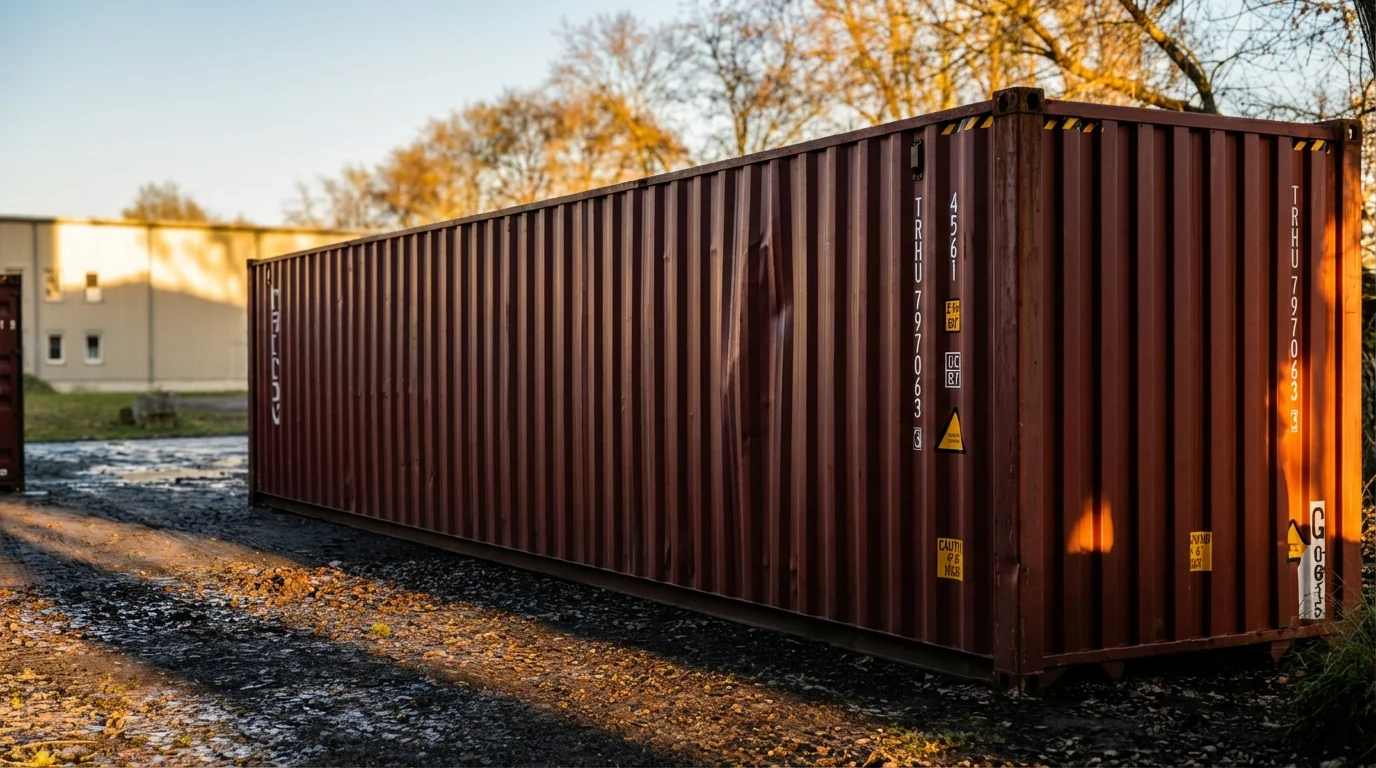
Other Routes